Skip to content

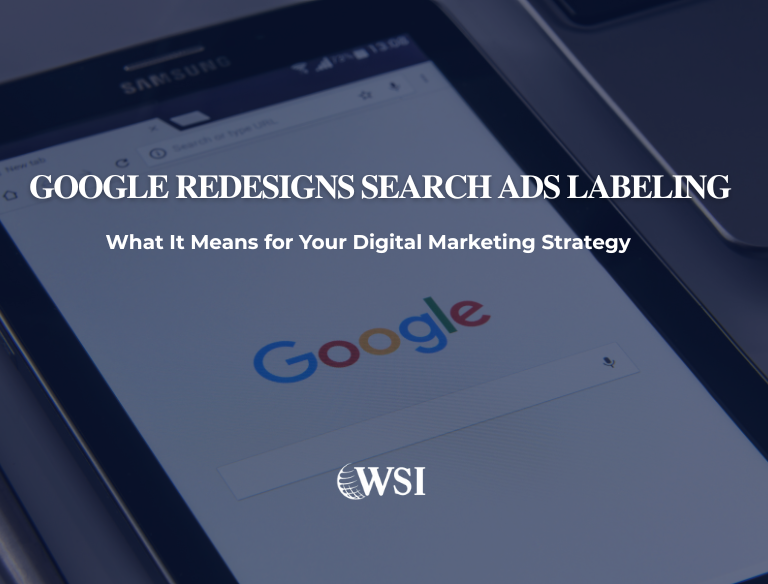
Google Ads Redesign: The New “Sponsored Results” Format Explained
In a move toward greater transparency, Google has updated the way search ads appear in results pages. Rather than showing “Sponsored” next to each individual ad, the platform now groups them under one “Sponsored results” label that remains visible as users scroll.
The update also introduces a “Hide sponsored results” toggle, allowing users to collapse the entire ad block, a significant shift in how paid listings are displayed.
While Google has not changed the auction model or how ads are ranked, this visual redesign could impact click behavior and performance metrics across industries.
How the New Google Ads Redesign Changes the Look of Paid Search
Here’s what you’ll notice in the updated layout:
- A grouped “Sponsored results” header replaces individual ad labels.
- The “Sponsored results” tag remains visible while scrolling.
- A new collapse button lets users hide all ads at once.
- Shopping ads will appear under a “Sponsored products” section.
- The design is consistent across desktop, mobile, and AI-powered results pages.
This update aligns with Google’s broader efforts to improve user trust and transparency as it integrates AI-driven search experiences through its Search Generative Experience (SGE) and Performance Max campaigns.
How This Change Could Impact Your PPC Campaigns
Even though Google’s algorithms and bidding process remain the same, this redesign affects how users perceive and interact with paid content.
1. Lower Visibility for Individual Ads
When all ads sit under one label, users can more easily recognize promotional content — and some may skip over it entirely.
2. Stronger Emphasis on Ad Quality
With more visual separation from organic results, ads will need to stand out through relevance, clarity, and strong copywriting.
3. Shift in Click-Through Rates (CTR)
Advertisers should expect initial fluctuations in CTR as users adjust to the new layout. Early reports suggest higher engagement for top-position ads and lower interaction with those lower in the block.
4. More Importance on User Experience
As users can now hide the entire ad section, your landing page experience and website performance must justify each click, both in speed and trust.
How to Adapt Your Digital Ads Strategy to Google’s New Layout
To adapt your paid strategy to this new visual environment:
1. Revisit Your Ad Messaging
Make sure your headlines communicate value, intent, and trust. Clear, relevant messages will perform better when ads are visually grouped.
Explore our PPC Advertising Services to develop ad copy that captures attention and converts.
2. Monitor Campaign Performance
Keep an eye on click-through rates (CTR), conversion rates, and impression share after this change rolls out. Compare performance before and after to identify trends.
3. Optimize Your Landing Pages
Now more than ever, your website must load fast and align perfectly with ad intent. A poor user experience can lead to quick bounces, even when clicks are strong.
Our Website Design & Development Services focus on optimizing speed, mobile responsiveness, and conversion paths.
4. Test Multiple Ad Formats
Experiment with responsive search ads and Performance Max campaigns to see where engagement remains strong under the new layout.
5. Align Paid and Organic Strategies
If some users avoid ads, your organic visibility becomes more valuable. Align your PPC and SEO efforts to dominate both ad and organic space.
The Bigger Picture: Transparency, AI, and Trust

Google’s ad label redesign reflects a broader trend: greater transparency in advertising and an emphasis on AI-driven user experiences.
As Google integrates AI into its search results through Search Generative Experience, ads must not only be visible but contextually relevant and technically optimized to appear across multiple experiences, from AI summaries to mobile search results.
Learn more about optimizing for this evolving landscape in our post on How Website Speed Impacts Conversions and AI Visibility.
Final Thoughts
While the redesign may seem like a cosmetic change, it’s part of a bigger shift in how Google balances user trust, AI innovation, and advertiser visibility.
For businesses, this means adapting ad messaging, monitoring performance closely, and ensuring landing pages deliver instant value.
At WSI Digital Path, we help brands navigate these constant changes in the digital landscape, from paid advertising to website optimization and SEO alignment.
Book a Free Consultation today to make sure your marketing strategy is ready for the new era of Google Ads.

Tali is a results-driven digital marketer with a track record of growing her clients’ businesses and driving revenue.
As the business owner at WSI Digital Path, Vaughan, she takes great pride in delivering powerful but cost-effective solutions for her clients.
Innovative and revolutionary digital marketing trends set the pace for the digital marketing industry. Don’t make the mistake of falling behind! Contact WSI Digital Path today and trust your digital marketing to the industry’s leading professionals.