Skip to content

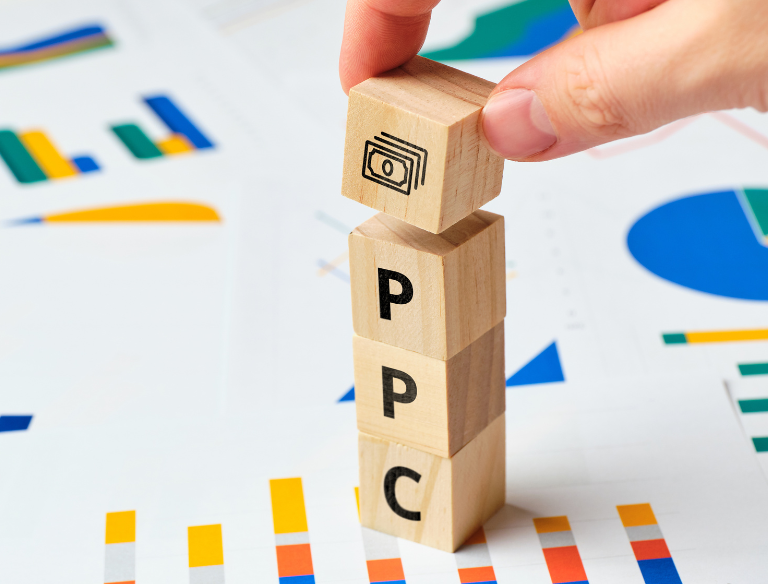
PPC in 2026 looks very different from what most advertisers were used to just a few years ago. Automation is everywhere, AI is deeply embedded into platforms, and control feels more limited than ever. Yet paid search is still one of the fastest ways to generate demand, leads, and revenue.
What most businesses do not hear enough about are the tradeoffs. While platforms promise simplicity and performance, the reality of PPC in 2026 requires sharper strategy, better data, and stronger human oversight.
Drawing from ongoing conversations with platform representatives, agency leaders, and performance data across multiple industries, this article breaks down what no one tells you about PPC in 2026 based on real industry debates, expert insights, and what we see working with clients every day.
1. PPC Platforms Do Not Always Prioritize Your Business Goals
One of the biggest misconceptions about PPC in 2026 is that platforms are fully aligned with advertisers. They are not. Automation is designed to maximize platform efficiency and revenue first, not your margins or lead quality.
In many cases, campaigns end up prioritizing easy conversions that inflate platform performance metrics without delivering qualified opportunities.
This makes strategic oversight critical, because PPC can look efficient on the surface while profitability and lead quality quietly decline without a broader digital strategy guiding optimization.
One of the biggest misconceptions about PPC in 2026 is that platforms are fully aligned with advertisers. They are not. Automation is designed to maximize platform efficiency and revenue first, not your margins or lead quality.
2. Automation Helps, But It Also Removes Visibility
Automation is powerful, but it often comes at the cost of transparency. Many advertisers struggle to understand why certain decisions are made inside automated campaigns.
In practice, this lack of visibility makes it harder to identify what is actually driving performance changes, especially as optimization decisions happen faster and with less manual input.
As a result, success in PPC in 2026 depends on understanding when to trust automation and when to intervene. Blind reliance on AI almost always leads to wasted spend, which is where experienced management through Paid Search Advertising makes a measurable difference.
3. Human Judgment Still Outperforms Fully Automated Campaigns
AI can optimize bids and test variations, but it cannot fully understand brand nuance, business priorities, or customer psychology. In 2026, the best-performing PPC campaigns are still shaped by humans who know how to interpret data and adjust strategy accordingly.
That human layer is what prevents campaigns from becoming generic, misaligned, or overly aggressive.
4. AI Is a Tool, Not a Strategy
One of the hardest truths about PPC in 2026 is that AI does not replace strategy. It amplifies whatever foundation already exists. If your messaging, targeting, or tracking is weak, AI will scale those problems faster. We often see campaigns scale quickly, only for lead quality and performance to slip at the same time.
Strong PPC results still depend on clear positioning, quality inputs, and intentional decision-making. This is why AI works best when paired with a well-defined strategy, strong landing pages, and clear conversion paths, supported by content marketing and the broader on-site experience.
5. Poor Data Breaks Even the Best Automation
No amount of AI can compensate for broken tracking. In 2026, PPC performance is directly tied to clean data, accurate conversion events, and consistent reporting.
In real practice, it takes as little as a missed event or broken signal to send automation in the wrong direction.
If your campaigns feel unpredictable, analytics gaps are often the root cause. Our work in Web Analytics & Reporting helps ensure automation is working with reliable signals.
6. Control Has Changed, Not Disappeared
While some granular controls have been reduced, advertisers still have meaningful ways to influence performance. Smart bidding constraints, creative prioritization, audience layering, and performance analysis remain effective when used correctly.
What matters now is understanding where focus still influences results in an increasingly automated environment.
7. Creativity Quality Matters More Than Ever
As platforms automate delivery, creativity becomes one of the few remaining competitive advantages. Messaging clarity, value propositions, and relevance directly impact performance.
Clear, differentiated messaging is no longer a nice-to-have in PPC in 2026. It’s a core performance driver, and one of the few levers advertisers can still keep under control.
8. PPC Insights Should Shape the Entire Marketing Strategy
Paid search data provides valuable insight into customer intent. When used properly, these insights go far beyond optimizing ads and can influence messaging, landing pages, and broader digital decisions. Across multi-channel efforts, PPC often reveals what customers respond to first, which messages resonate, and where demand is emerging.
When these insights are shared across teams, PPC becomes more than a performance channel. It helps guide SEO priorities, content direction, and overall digital marketing strategy.
What This Means for Your PPC Strategy
PPC in 2026 rewards advertisers who are intentional, informed, and willing to look beyond surface-level automation. The goal is no longer to chase every new feature, but to understand how automation, data, and human judgment work together to drive real performance.
If your paid campaigns feel harder to control, less predictable, or disconnected from your broader business goals, this may be the right moment to step back and reassess your approach. A strategic review can often uncover where automation is helping, where it’s hurting, and where small adjustments can make a meaningful difference.
At WSI Digital Path, we work with businesses to build PPC strategies that are grounded in clarity, accountability, and measurable outcomes. If you’d like to talk through how your current PPC setup is positioned you can contact us, we’d be happy to start that conversation.

Tali is a results-driven digital marketer with a track record of growing her clients’ businesses and driving revenue.
As the business owner at WSI Digital Path, Vaughan, she takes great pride in delivering powerful but cost-effective solutions for her clients.
Innovative and revolutionary digital marketing trends set the pace for the digital marketing industry. Don’t make the mistake of falling behind! Contact WSI Digital Path today and trust your digital marketing to the industry’s leading professionals.